How to Plant a Self-Sufficient Garden: Crops You Need to Grow

Growing a self-sufficient garden is one of the healthiest and most rewarding lifestyle choices you can make. It provides fresh, nutrient-dense food, reduces grocery costs, and gives you full control over what goes into your meals. Whether you have a backyard, rooftop, or small patio, the right crop choices can help you grow food year-round.
This guide walks you through what to plant, why it matters, and how to design a garden that feeds you sustainably.
🌿 What Is a Self-Sufficient Garden?
A self-sufficient garden focuses on high-yield, nutrient-rich, and easy-to-regrow crops that can cover most of your daily food needs—vegetables, herbs, fruits, and staples—while minimizing outside inputs.
🥕 Essential Crops for a Self-Sufficient Garden
1️⃣ Staple Vegetables (High Yield & Filling)


These crops provide calories and keep you full:
Potatoes & Sweet Potatoes – Easy to grow, long storage life
Corn – Produces grain and animal feed
Dry Beans & Lentils – Plant protein and soil-improving nitrogen fixers
✔ Why grow them?
They form the backbone of a self-reliant diet.
2️⃣ Leafy Greens (Fast & Nutrient-Dense)


Spinach
Kale
Lettuce
Swiss Chard
✔ Rich in iron, calcium, and antioxidants
✔ Harvest continuously for months
3️⃣ Fruits & Fruiting Vegetables


Tomatoes
Cucumbers
Zucchini
Bell Peppers
✔ High yield from a small space
✔ Perfect for fresh eating, sauces, and preserving
4️⃣ Perennial Crops (Grow Once, Harvest for Years)


Herbs: Rosemary, thyme, mint
Asparagus
Berries: Strawberries, raspberries
Rhubarb
✔ Low maintenance
✔ Ideal for long-term food security
5️⃣ Root Vegetables (Storage-Friendly)


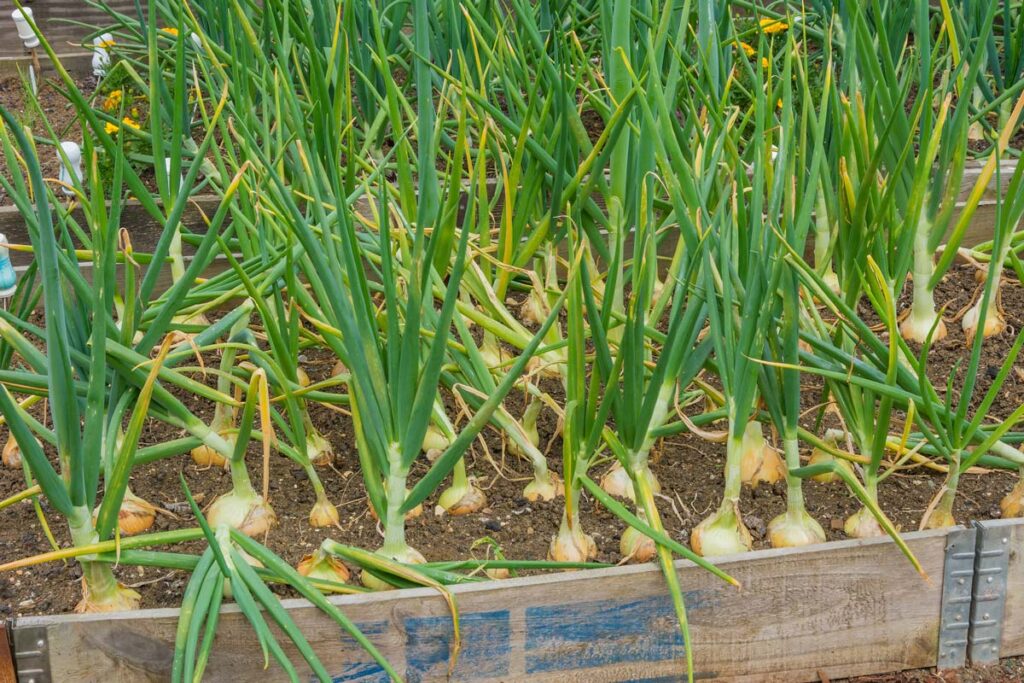

Carrots
Beets
Onions
Garlic
✔ Store well for months
✔ Essential for everyday cooking
🌼 Garden Design Tips for Self-Sufficiency
🌞 Plan for Sunlight
6–8 hours of sun daily
Place taller crops (corn, tomatoes) behind shorter ones
♻️ Practice Crop Rotation
Prevents soil depletion
Reduces pests and diseases
🌱 Compost & Mulch
Improves soil fertility naturally
Retains moisture and suppresses weeds
💧 Save Seeds
Reduces costs
Preserves plants adapted to your climate
🌍 Small Space? No Problem
You can grow a self-sufficient garden using:
Raised beds
Containers
Vertical trellises
Rooftop or balcony gardens
Even a 10×10 ft space can produce hundreds of meals per year.


Comments
Post a Comment